

Custom LED Neon Installations in Commercial Interiors: Design, Function, and Real-World Use
Lighting in commercial interiors is no longer limited to basic functionality. In restaurants, retail stores, and event spaces, lighting is often part of how a space is perceived and remembered.
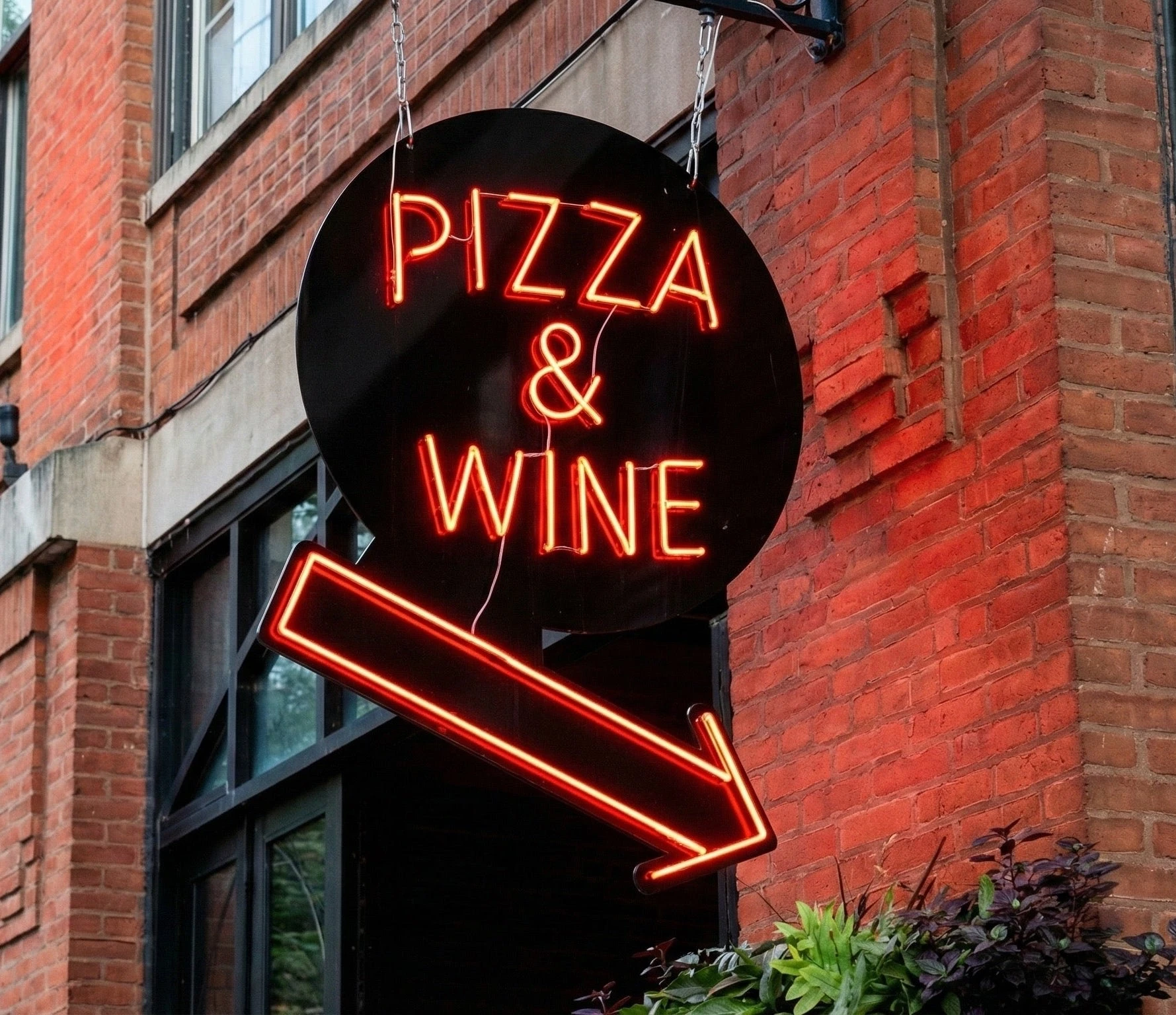
One of the formats that has become common in recent years is custom LED neon installations. Unlike standard signage, these elements are often integrated into the overall design of the space and used as a visual focal point.
How LED Neon Is Used in Real Projects
In practice, LED neon is used in several consistent ways:
- wall-mounted brand elements
- feature installations behind bars or reception areas
- photo zones designed for customer interaction
- subtle accent lighting integrated into interiors
For example, in hospitality spaces, a neon element is often placed where customers naturally take photos. This is not случайно — такие зоны напрямую влияют на органический охват в соцсетях.
In retail, LED installations are often positioned near entrances or product highlights to guide attention without adding clutter.
Material and Technical Considerations
Modern LED neon is based on flexible silicone tubing rather than traditional glass. This allows for:
- consistent light output without flickering
- safer installation and transportation
- more precise shaping for custom designs
From a technical standpoint, most installations are mounted on acrylic backers with hidden wiring and low-voltage power supplies. Dimmers and controllers are often included to adjust brightness depending on the environment.
These details matter in real use: poorly built signs tend to have uneven glow, visible wiring, or inconsistent color temperature.
Design Approach vs Standard Signage
There is a clear difference between mass-produced signage and custom installations.
Standard signage:
- follows templates
- focuses on cost and speed
- rarely integrates into the space
Custom installations:
- are designed around a specific interior
- consider viewing angles, distance, and lighting conditions
- become part of the environment rather than an add-on
Studios working in this segment typically handle both design and production to maintain consistency between concept and final result.
Role of the Designer in LED Installations
In custom projects, the outcome depends heavily on the person developing the concept.
At CityNeon, projects are led by Dmytro Andrukhov, a Chicago-based artist and Creative Director. His work combines practical installation knowledge with an understanding of composition and spatial balance.
Instead of treating each piece as a standalone sign, the process usually starts with questions such as:
- where the installation will be viewed from
- how it interacts with existing materials
- what role it plays in the space (accent vs focal point)
This approach reduces common issues such as oversized elements, poor placement, or lighting that conflicts with the rest of the interior.
Typical Applications by Industry
Hospitality
Bars, lounges, and restaurants often use LED installations behind counters or seating areas. The goal is to create a recognizable visual point without overwhelming the space.
Retail
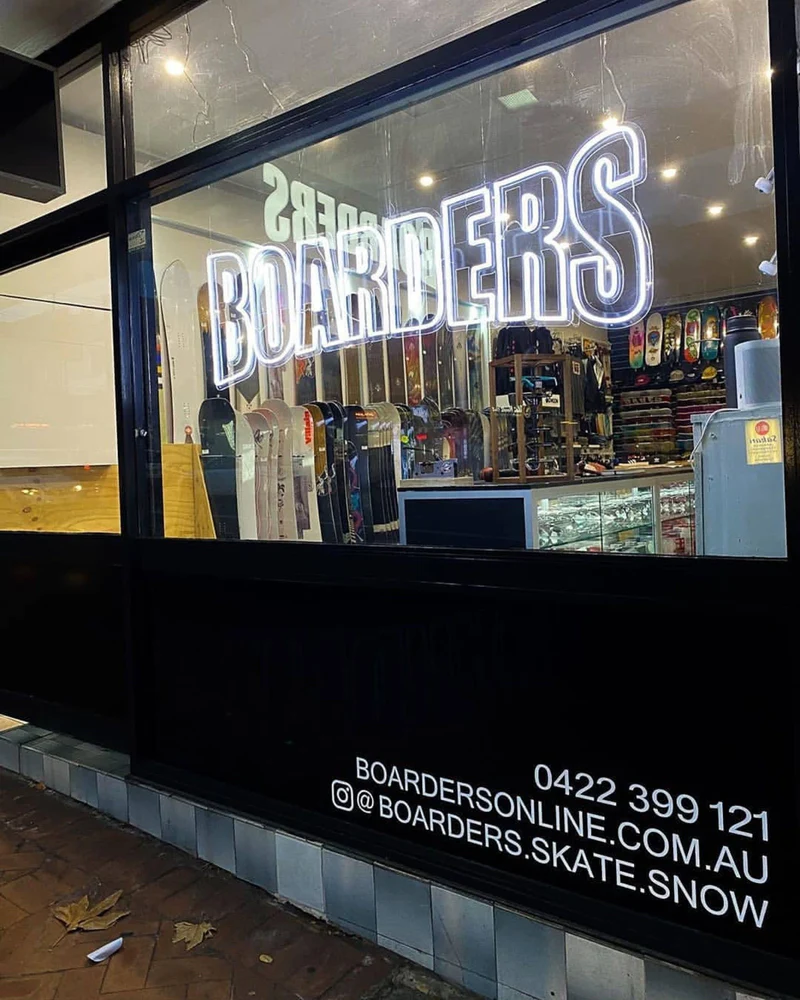
Shops use neon elements to highlight brand identity or specific zones. In smaller spaces, scale and placement are especially important.
Events
Temporary installations are used for brand activations, exhibitions, and pop-ups. These need to be lightweight, easy to install, and visually clear in photos.
Commercial Interiors
Offices and studios use LED elements in reception areas or meeting rooms, often combined with other materials such as wood or metal.
What Affects the Final Result
From experience, several factors determine whether an installation looks clean or not:
- proportion relative to wall size
- line thickness of the LED tubing
- color temperature (warm vs cold light)
- mounting method (flush vs floating)
Ignoring these details usually leads to a result that looks generic or out of place.
Longevity and Maintenance
LED neon installations are generally low-maintenance, but quality varies.
Well-built systems:
- maintain consistent brightness over time
- use reliable power supplies
- are sealed properly for indoor or outdoor use
Lower-quality products often fail due to overheating, weak connections, or cheap materials.
For commercial use, durability is not optional — installations are often active for many hours daily.
Conclusion
Custom LED neon installations are now a common part of commercial interiors, but the quality and effectiveness depend on execution.
When design, materials, and placement are handled properly, these elements integrate naturally into the space and support the overall visual identity.
Studios like CityNeon approach these projects as part of a larger design system rather than isolated signage, which helps avoid many of the issues seen in standard solutions.
