

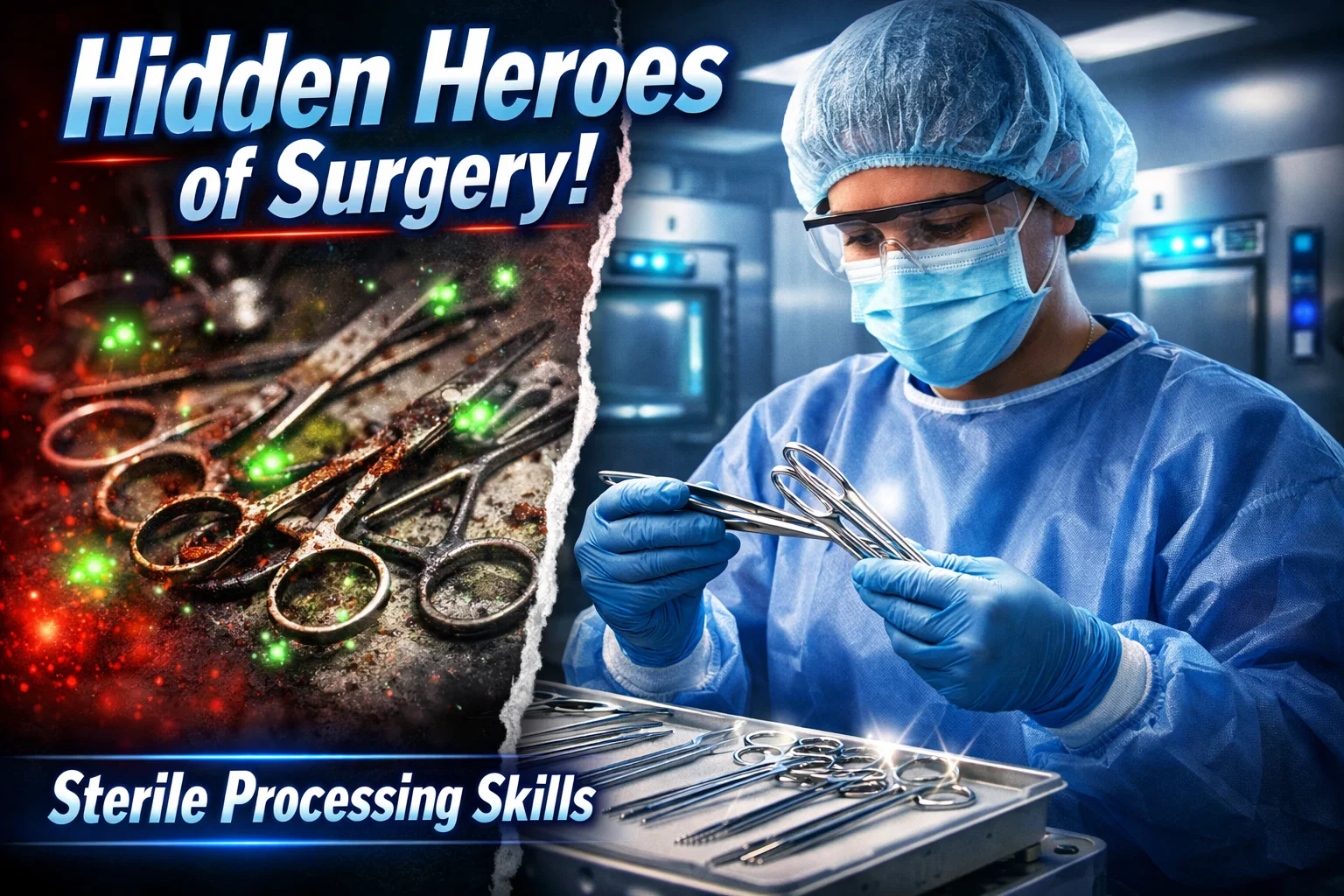
Sterile Processing Technicians play an essential role in the healthcare industry by ensuring that medical instruments are cleaned, sterilized, and ready for use during surgeries and medical procedures. While this role often goes unnoticed by patients, it is critical to patient safety and the overall functioning of healthcare facilities. Proper training is key to becoming a successful Sterile Processing Technician, and the skills learned in training directly impact the quality of care patients receive.
Sterile Processing Technician training covers a wide range of skills, from basic infection control to complex sterilization techniques. Here’s a breakdown of the key skills you’ll learn during training and how they prepare you for a successful career in this vital field.
Table of Contents
Central sterile processing technician program: Mastering Sterilization Methods
One of the core skills you’ll learn in any central sterile processing technician program is sterilization. As a Sterile Processing Technician, your primary responsibility is to ensure that medical instruments are free from contaminants, bacteria, and pathogens. The training you receive will cover a variety of sterilization methods, including:
- Steam Sterilization: This is the most common method used in healthcare settings, involving the use of pressurized steam to sterilize instruments.
- Low-temperature Sterilization: For materials sensitive to high heat, such as plastics, low-temperature methods such as hydrogen peroxide vapor or ozone sterilization are used.
- Chemical Sterilization: This involves using liquid chemicals or gases to sterilize instruments, especially those that cannot withstand steam or heat.
Throughout your central sterile processing technician program, you’ll learn how to choose the appropriate sterilization method based on the type of instruments you are processing. This knowledge ensures that all equipment is sterilized thoroughly, reducing the risk of hospital-acquired infections.
Infection Control and Safety Procedures
Infection control is a critical aspect of healthcare, and Sterile Processing Technicians are on the front lines of preventing the spread of infectious diseases. During central sterile processing technician training, you’ll gain in-depth knowledge of infection control practices, including:
- Microbiology Basics: Understanding microorganisms and how they spread is crucial in sterilization. You’ll learn about bacteria, viruses, and fungi, and how they can be transferred through contaminated instruments.
- Personal Protective Equipment (PPE): Sterile Processing Technicians must be proficient in using personal protective equipment such as gloves, masks, gowns, and face shields to protect themselves from exposure to hazardous materials and contaminants.
- Standard Operating Procedures (SOPs): Following standardized procedures for cleaning, disinfecting, and sterilizing medical equipment is essential to ensure consistent results. You will be trained in the SOPs used in healthcare facilities to maintain a sterile environment.
Through hands-on practice and detailed instruction, you’ll become proficient in following infection control protocols, ensuring that every instrument used in medical procedures is free from harmful pathogens.
Central sterile processing technician training: Inspecting and Assembling Instruments
A crucial aspect of central sterile processing technician training is learning how to inspect and assemble medical instruments properly. After instruments have been sterilized, it’s essential to ensure that they are in working condition and correctly assembled before being sent to the operating room or clinic. This includes:
- Instrument Inspection: You’ll learn how to examine instruments for defects, wear, rust, or damage. Knowing how to spot these issues helps prevent the use of faulty equipment, which could lead to complications during surgeries.
- Assembly of Surgical Trays: Sterile Processing Technicians are responsible for assembling surgical trays, which contain the necessary instruments for various procedures. You will be trained on how to arrange these tools efficiently and according to the surgeon’s preferences.
Proper inspection and assembly of instruments ensure that the right tools are available and functioning properly during medical procedures, reducing the risk of delays and complications.
Record Keeping and Compliance
As a Sterile Processing Technician, maintaining accurate records and complying with regulatory standards are key aspects of the job. Training will teach you how to document every step of the sterilization process, including:
- Sterilization Records: You’ll learn how to maintain detailed logs of sterilization cycles, including the temperature, pressure, and time for each cycle. These records ensure that every instrument used in medical procedures has been properly sterilized and can be traced back to the sterilization process.
- Compliance with Healthcare Regulations: Compliance with healthcare regulations, such as those set by the Centers for Disease Control and Prevention (CDC) and the Occupational Safety and Health Administration (OSHA), is essential. During training, you’ll become familiar with the standards that govern sterilization and infection control practices in healthcare settings.
By learning how to maintain these records, you will help ensure that your healthcare facility complies with industry standards and is ready for inspections or audits.
Problem-Solving and Critical Thinking
Sterile Processing Technicians must be able to think critically and solve problems quickly. Whether it’s a sterilization cycle failure, missing instruments, or an unexpected situation in the operating room, you’ll be expected to make decisions under pressure. Training will help you develop problem-solving skills in the following areas:
- Handling Equipment Failures: If a sterilization cycle fails or an instrument is damaged, you must be able to determine the cause of the issue and take appropriate action to resolve it.
- Prioritizing Tasks: In a busy healthcare environment, there may be multiple tasks requiring your attention at once. You’ll learn how to prioritize tasks and manage your time effectively to ensure that all instruments are sterilized and ready for use on time.
These problem-solving skills are essential for ensuring that sterile processing operations run smoothly and efficiently, even in high-pressure situations.
Final Thoughts
The role of a Sterile Processing Technician is critical to ensuring patient safety in healthcare settings. By completing a central sterile processing technician program and receiving comprehensive central sterile processing technician training, you will acquire the essential skills needed to maintain a sterile environment, reduce the risk of infections, and contribute to the success of medical procedures.
From mastering sterilization methods and infection control to learning how to inspect and assemble medical instruments, the training you receive prepares you for a challenging and rewarding career. Whether you choose an online course or in-person classes, the knowledge and hands-on experience you gain will set you up for success in this vital healthcare role.
